In this guide (14 sections)
- What is pind daan?
- Why pind daan in Kashi?
- Where is pind daan done in Varanasi?
- Types of rituals for ancestors in Varanasi
- Pind daan vidhi: step by step
- Pind daan samagri list
- Who can perform pind daan?
- Best time for pind daan in Varanasi
- Asthi visarjan in Varanasi
- How to prepare for the ritual
- Planning Kashi, Prayag and Gaya together
- Choosing a pandit and avoiding problems
- Planning your pind daan trip to Kashi
- FAQs
Quick facts
- Main place
- Pishach Mochan Kund, and the Ganga ghats
- Common rituals
- Pind daan, shraddha, tarpan, Tripindi Shraddha, asthi visarjan
- Best period
- Pitru Paksha, Amavasya, death anniversary (tithi)
- Duration
- About 2–4 hours for a standard pind daan
- Bring
- Names and gotra of ancestors, ID, simple clothes
- Samagri
- Usually arranged by the pandit
- Combine with
- Prayagraj (Sangam) and Gaya
- Book ahead
- Pandits and hotels fill up in Pitru Paksha
In Hindu tradition, our duties to our ancestors do not end when they leave this world. Pind daan is the ritual through which a family offers food, water and prayers for their peace.
Kashi holds a very special place for these rites. Families believe that offerings made here, on the banks of the Ganga, help the departed soul move towards liberation.
If you are planning pind daan in Varanasi, this guide will help you understand the ritual and prepare for it properly.
What is pind daan?
A "pinda" is a small ball made of cooked rice or barley flour mixed with black sesame, ghee and honey. "Daan" means offering.
During pind daan, these pindas are offered to the ancestors — traditionally three generations on the father's side, and often on the mother's side too — along with water and prayers.
The ritual is usually performed with tarpan, the offering of water mixed with black sesame, barley and kusha grass, while the names and gotra of the ancestors are spoken.
Matru devo bhava, pitru devo bhava — let your mother be as God to you, let your father be as God to you.
Why pind daan in Kashi?
Kashi is called the city of moksha. Hindus believe that Lord Shiva grants liberation to those who die here, and that rites performed here carry special merit.
Kashi, Prayag and Gaya are often spoken of together for ancestral rites. Many families perform pind daan in all three places on one journey, known as the Tristhali yatra.
Kashi is also where many families bring the ashes of their loved ones for asthi visarjan in the Ganga, often followed by pind daan for the departed.
Where is pind daan done in Varanasi?
Pishach Mochan Kund
The most important place for pind daan in Varanasi is Pishach Mochan Kund, an ancient sacred tank in the city. It is especially known for Tripindi Shraddha.
During Pitru Paksha, the kund is crowded with families from all over India, and local pandits guide the rituals on its steps.
The Ganga ghats
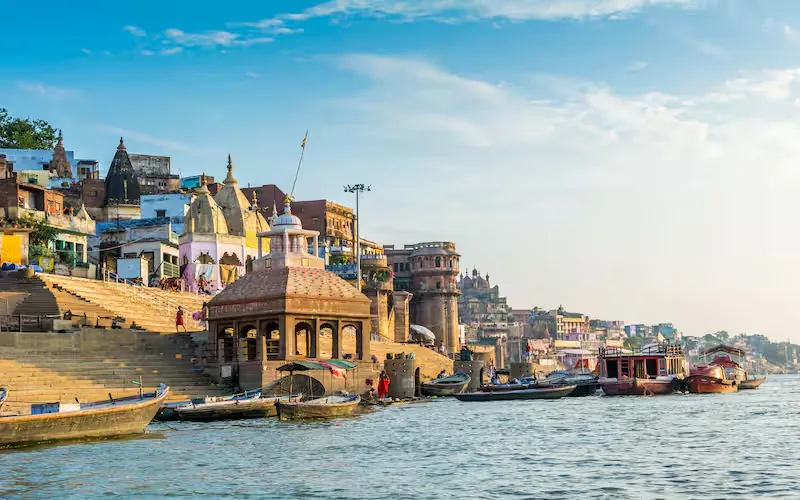
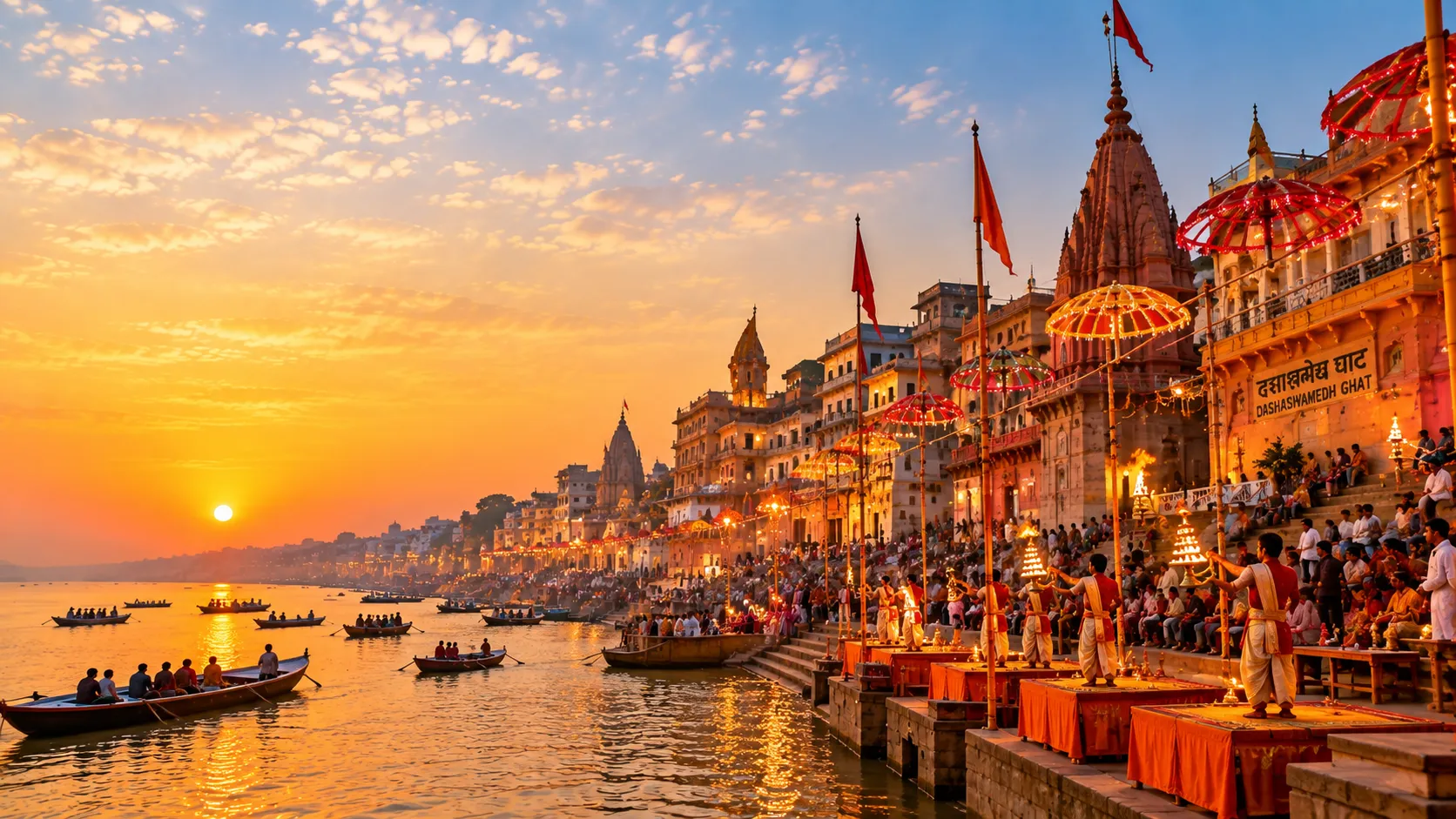
Pind daan, tarpan and shraddha are also performed on the ghats, especially Dashashwamedh, Manikarnika and Assi. Many families begin with a holy dip in the Ganga.
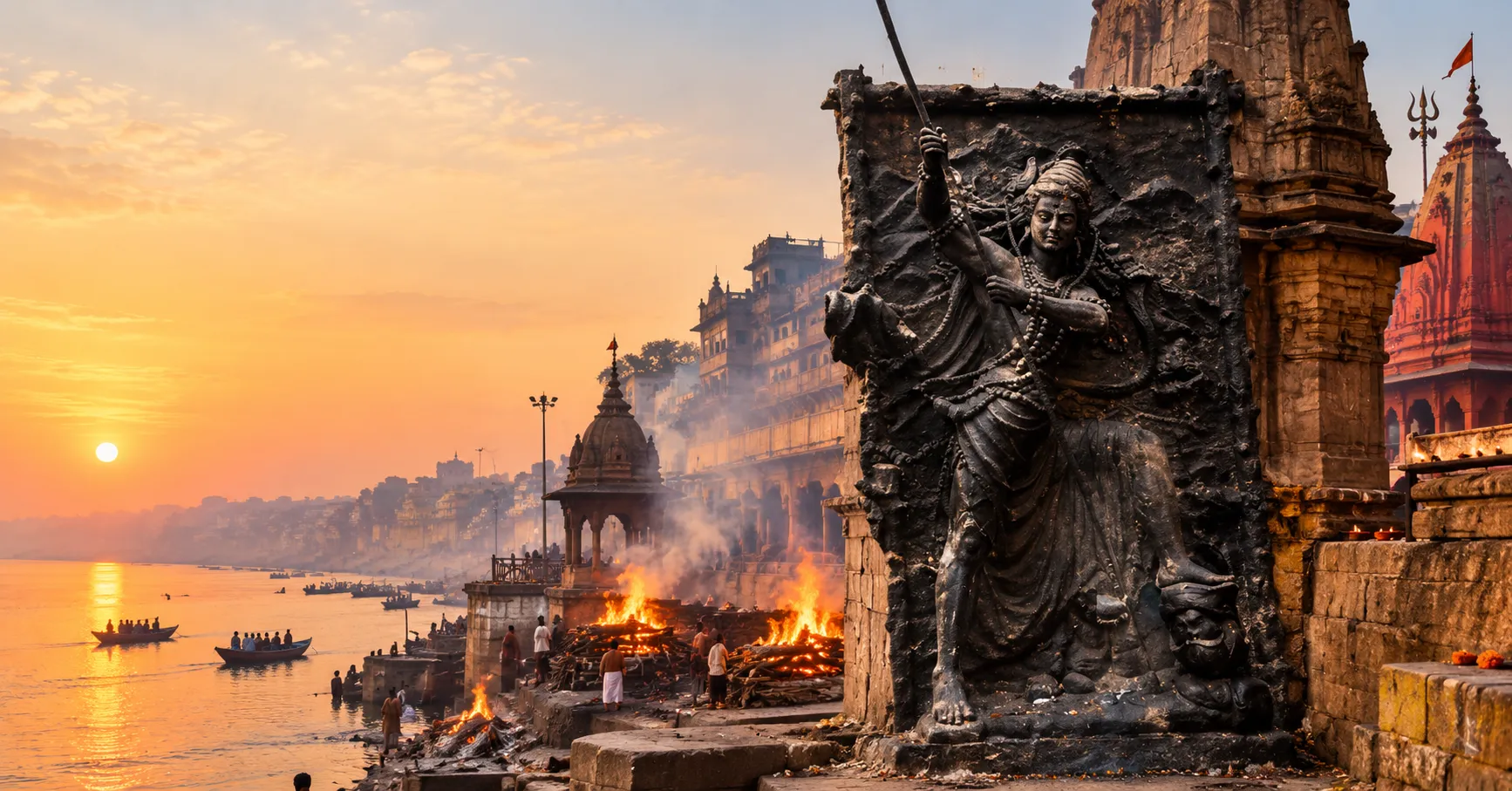
Manikarnika Ghat, the great cremation ground of Kashi, has deep significance for rites of the departed. Read our Manikarnika Ghat guide to understand its place in Kashi's traditions.
Types of rituals for ancestors in Varanasi
| Ritual | What it is |
|---|---|
| Pind daan | Offering of pindas and water to ancestors |
| Shraddha | The full set of rites for ancestors, usually on their tithi or in Pitru Paksha |
| Tarpan | Offering of water with black sesame and kusha grass |
| Tripindi Shraddha | A special shraddha performed when ancestors' rites were missed or for untimely deaths |
| Narayan Bali | A specific ritual for certain kinds of death, done only on a pandit's advice |
| Asthi visarjan | Immersion of ashes in the Ganga, often followed by pind daan |
Which ritual your family needs depends on your tradition and the circumstances of the death. A knowledgeable pandit will advise you before you travel.
Pind daan vidhi: step by step
The exact steps vary by family tradition and region. A typical pind daan in Kashi follows this order:
- Snan: a holy bath in the Ganga or at the kund.
- Sankalp: the pandit takes your resolve, with your name, gotra and the names of the ancestors.
- Puja: worship of Lord Vishnu and the deities of the ritual.
- Preparing the pindas: rice or barley flour is mixed with black sesame, ghee and honey.
- Offering the pindas: placed on kusha grass with mantras for each ancestor.
- Tarpan: water with black sesame is offered with folded hands.
- Daan and bhojan: donations and food for Brahmins, cows, crows and the needy.
- Visarjan: the pindas are immersed in the Ganga.
A standard pind daan takes about two to four hours. Tripindi Shraddha and other special rituals can take longer.
Pind daan samagri list
In Varanasi, the pandit usually arranges the samagri as part of the ritual. It generally includes:
- Rice or barley flour (jau ka atta)
- Black sesame (kala til)
- Kusha grass
- Ghee, honey and milk
- Flowers, tulsi leaves and sandalwood
- White cloth, janeu and a copper vessel
- Sweets and fruits for the offering
Confirm in advance what is included in the pandit's dakshina and what you need to buy separately.
Stay and travel for your Kashi visit
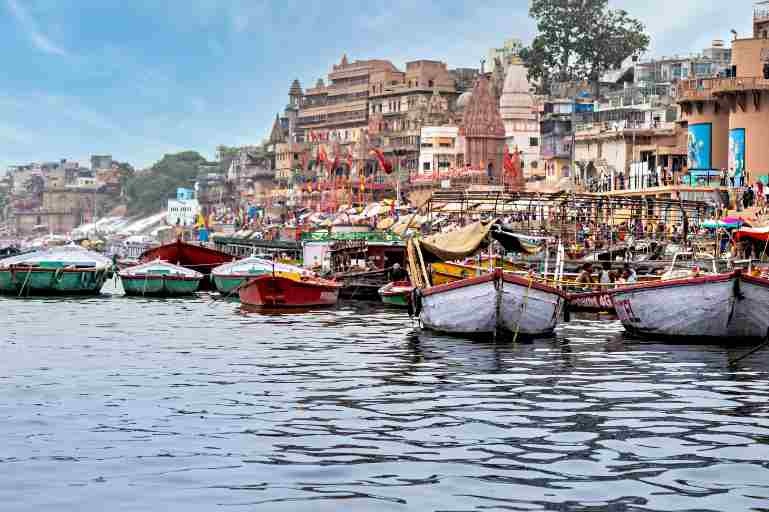
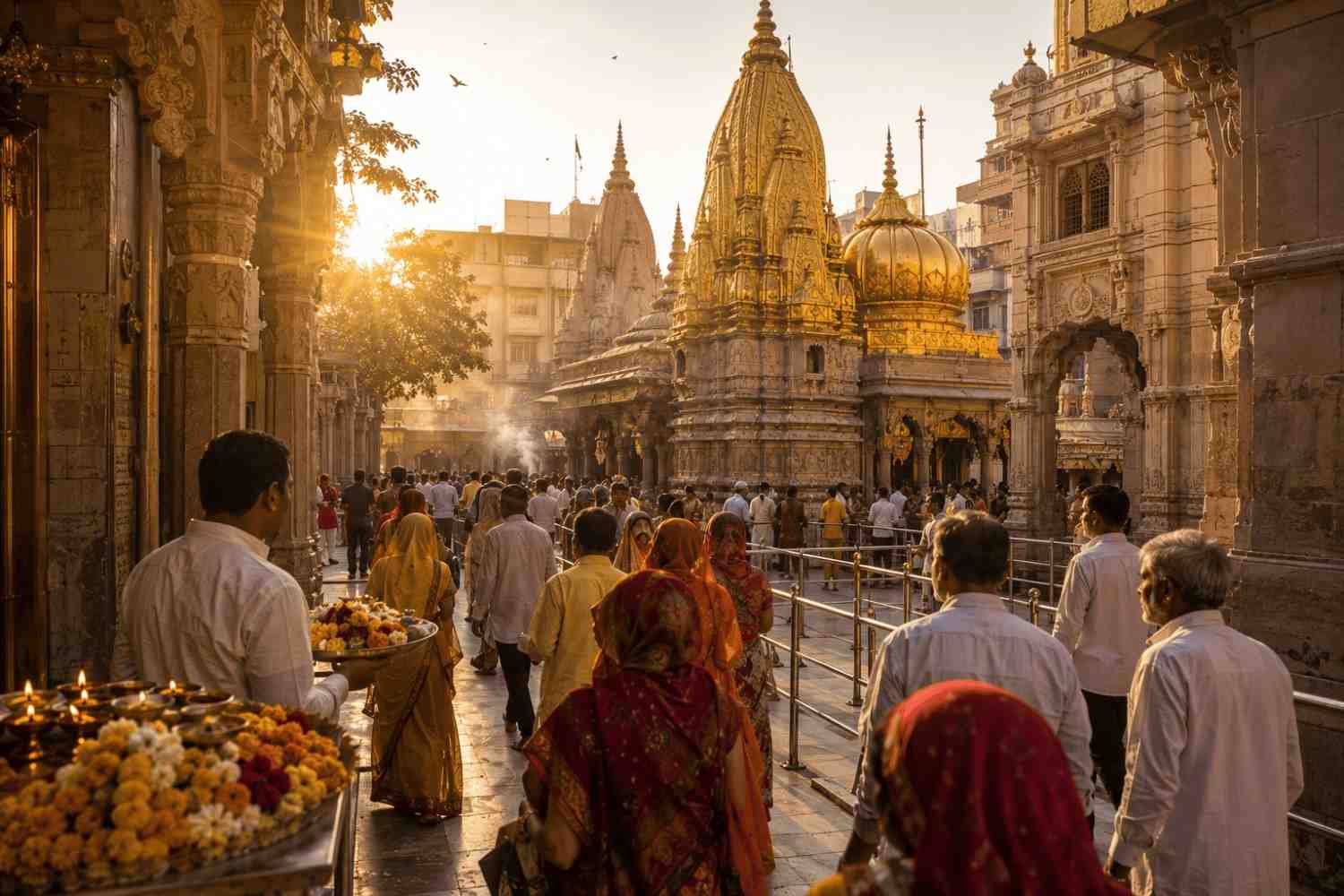
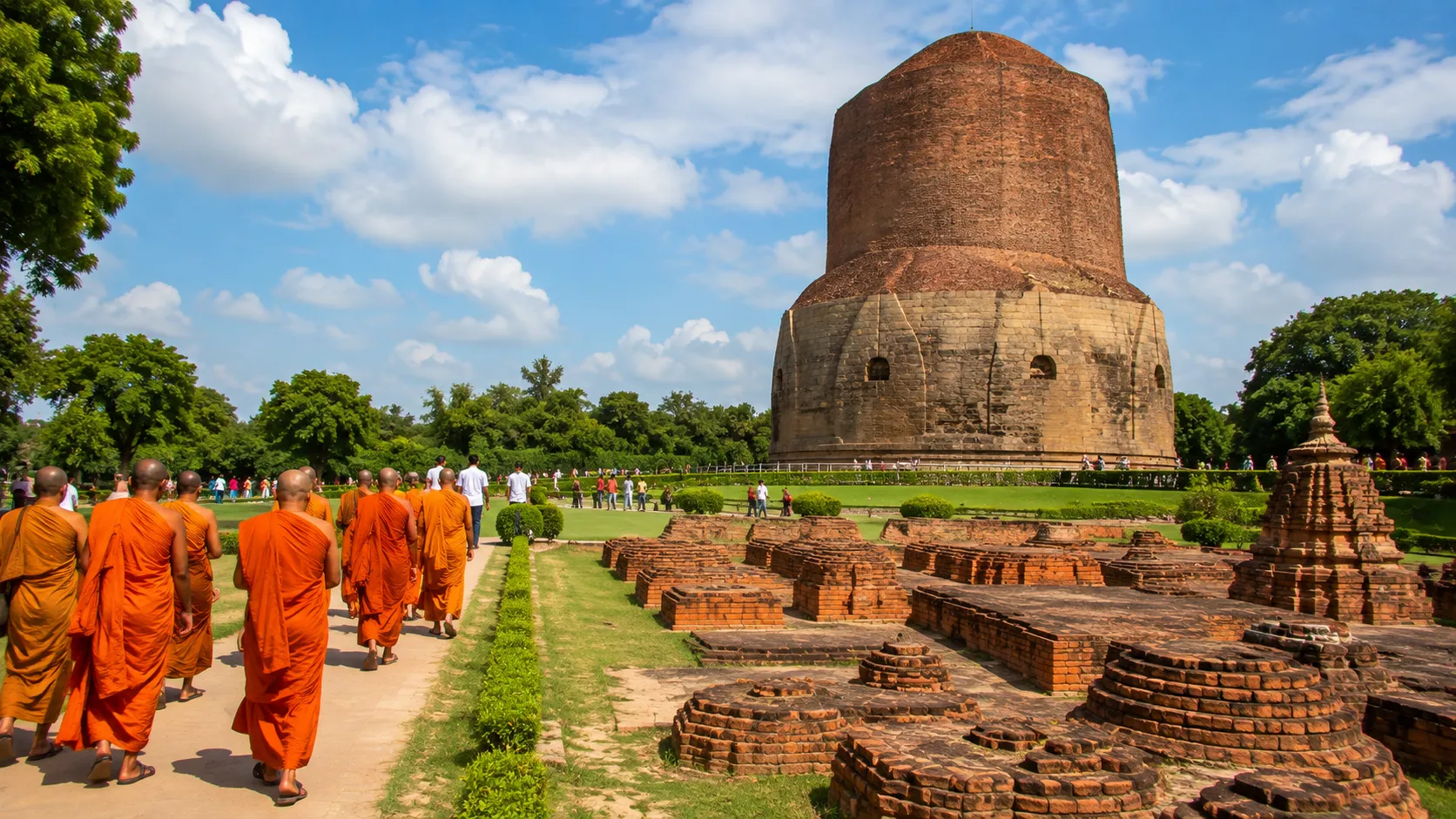
Hotel near the ghats, private cab and darshan — ritual arranged on request
*Starting price per person for groups of 6+, standard hotel.
Who can perform pind daan?
Traditionally, pind daan is performed by the son, grandson or another close male relative. If there is no son, other relatives can perform it.
Today, many families also have daughters or wives perform the rites, and many pandits guide them. Follow your family's tradition and ask your pandit if you are unsure.
Many men wear a simple white dhoti for the ritual. Some families follow the tradition of head shaving (mundan) before shraddha; this is a family choice.
Best time for pind daan in Varanasi
- Pitru Paksha: the fortnight dedicated to ancestors, usually in September or October. The most important period of the year.
- Sarva Pitru Amavasya: the last day of Pitru Paksha, for all ancestors.
- Amavasya: the new moon day of any month.
- The death anniversary (tithi) of the ancestor.
- Any day for asthi visarjan, as advised by your pandit.
Pitru Paksha is very crowded in Kashi. Book your pandit, hotel and transport at least a few weeks in advance.
Pind daan is not about the size of the offering. It is about remembering, with gratitude, the people who made us who we are.
Asthi visarjan in Varanasi
Many families bring the ashes of a loved one to Kashi for immersion in the Ganga. This is called asthi visarjan.
The ritual is short. With a pandit, the family performs a small puja on the ghat, then takes a boat a little way into the river to immerse the ashes with prayers.
Carry the ashes in a sealed cloth or urn, and keep the death certificate or a copy with you while travelling. Pind daan and shraddha are often performed the same day or the next.
How to prepare for the ritual
- Fast or eat light, sattvic food the day before, as your family tradition suggests.
- Wear simple, clean clothes — a white dhoti and kurta for men, and a simple saree or suit for women.
- Reach the ghat or kund early, before the sun is high.
- Keep elders seated and shaded; the ritual involves sitting on the ground for a long time.
- Carry small change for donations and the boat.
Planning Kashi, Prayag and Gaya together
Families who wish to perform ancestral rites at all three holy places usually travel in one circuit.
- Prayagraj: rites and a dip at the Triveni Sangam. About 120 km from Varanasi.
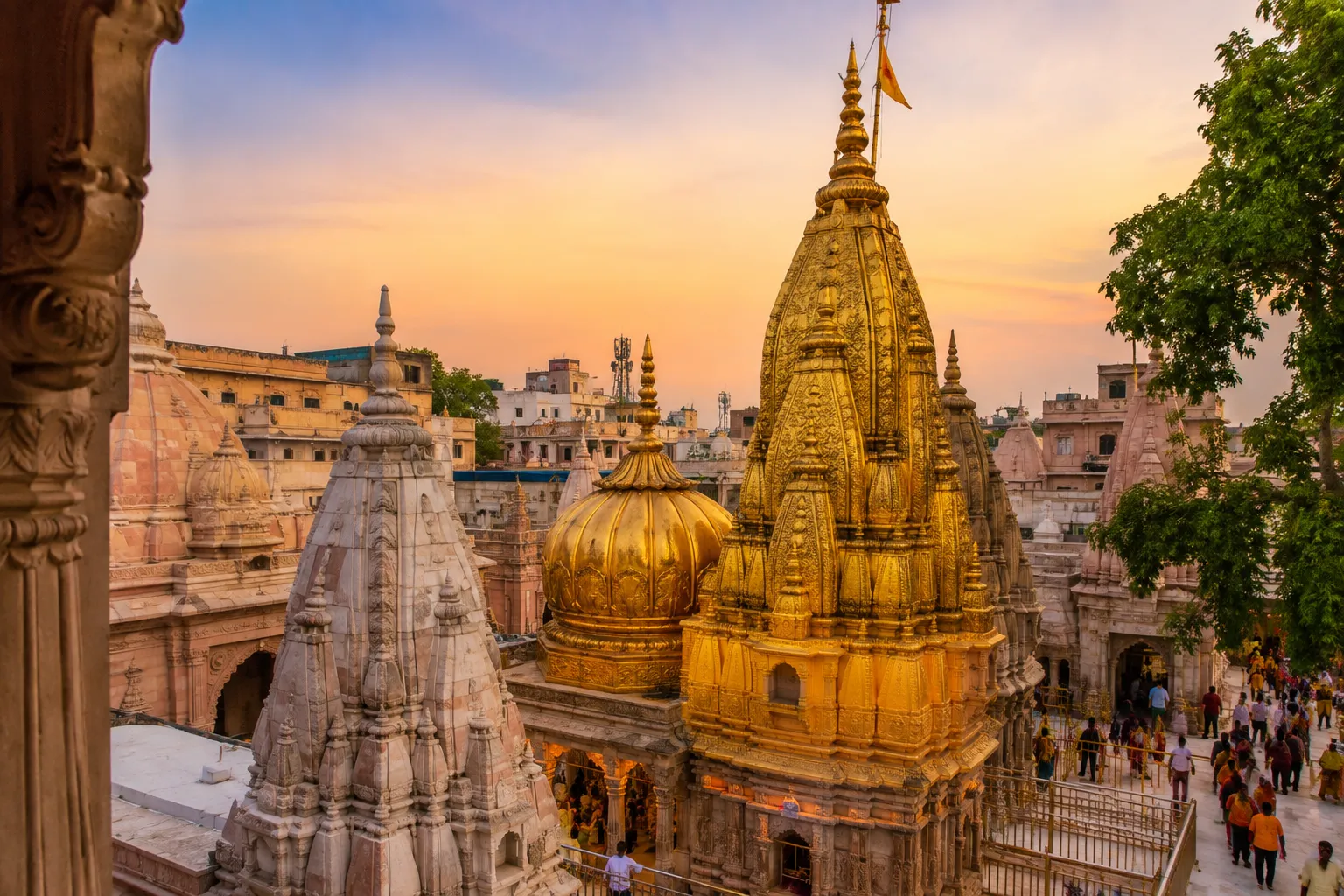
- Kashi: pind daan at Pishach Mochan or the ghats, darshan at Kashi Vishwanath.
- Gaya: pind daan at the Vishnupad temple and the Falgu river. About 250 km from Varanasi.
A comfortable Tristhali journey takes four to six days with a private cab. Let your pandit fix the auspicious days first, then we build the travel plan around them.
Choosing a pandit and avoiding problems
- Choose an experienced pandit recommended by people you trust, not someone who approaches you at the station or ghat.
- Agree the dakshina and what it includes before the ritual begins.
- Ask the pandit to explain each step — a good pandit will.
- Keep the ritual simple if you wish; devotion matters more than expense.
Planning your pind daan trip to Kashi
Most families need one full day for the ritual, plus time for darshan at Kashi Vishwanath Temple and the evening Ganga Aarti.
Stay close to the ghats so elders do not have to travel far in the early morning. Our guide to hotels near Kashi Vishwanath Temple explains the best areas.
For a Kashi–Prayag journey, Prayagraj is about 120 km away. Our 4 days Varanasi Prayagraj tour covers both cities, and we can add Gaya on request.
Arriving by air or train? See the distance from the airport and stations to the old city, and the full guide to the ghats in Varanasi.
Nagendra ChaudharyTravel guide editor, Varanasi Package
Nagendra Chaudhary writes and updates the Varanasi travel guides at Varanasi Package. He works with our on-ground team in Kashi, who check temple timings, ghat rules, routes and road conditions before each guide is updated, so the advice matches what pilgrims actually find on arrival.
- Checked by our Varanasi team
- Last updated 14 November 2026
Get a free trip plan
Tell us your dates. A local Varanasi expert replies with a plan and price.